Our approach: This article is based on published product information and use-case analysis. We have not conducted hands-on testing for this article.
TechGearPilot may earn a commission from qualifying purchases made through links on the site, at no extra cost to you. How our links work.
Start with phone compatibility and fit. Pay extra for features you use daily, and treat older premium models as conditional value choices.
The best wireless earbuds are the pair that fit comfortably, work with the devices you own, and solve your most annoying listening problem. That could mean quieter train rides, simpler switching between a phone and laptop, or dependable earbuds you can replace without straining your budget. A premium specification sheet alone does not answer those questions.
This shortlist separates those needs instead of naming one universal winner. It is a research-based selection using published product information, not a ranking of measured sound quality. Prices change, so the recommendations below describe the circumstances in which each purchase makes sense. For a step-by-step decision process, start with how to choose wireless earbuds.
Quick picks
| Your priority | Shortlist | Main reason to consider it | Important tradeoff |
|---|---|---|---|
| An iPhone-centered everyday setup | Apple AirPods Pro 3 | Close integration with supported Apple devices | Part of the value depends on the Apple ecosystem |
| An older premium option for mixed devices | Sony WF-1000XM5 | Multipoint and a broad codec list | Compare its price with the newer WF-1000XM6 |
| Feature-focused everyday value | soundcore Liberty 4 NC | ANC, multipoint, and app EQ | Feature count does not establish microphone or ANC quality |
These are scenario picks, not a complete survey of every earbud sold in the United States. If none fits securely, none belongs on your personal shortlist. A retailer’s opened-earbud return policy can matter more than a small discount.
Who this guide is for
This guide is for commuters, students, remote workers, and travelers choosing general-purpose earbuds. It also suits someone replacing an aging pair whose batteries no longer last through the day. It is less useful for buyers who need a dedicated gaming link, underwater audio, or specialized hearing care. Those needs require separate compatibility and suitability checks.
Before shopping, name your two main devices and your longest uninterrupted listening session. Then identify one nonnegotiable: perhaps comfortable fit, easy volume control, or answering a phone call while connected to a work computer. This keeps less relevant premium features from taking over the decision.
Apple AirPods Pro 3: for an iPhone-centered routine
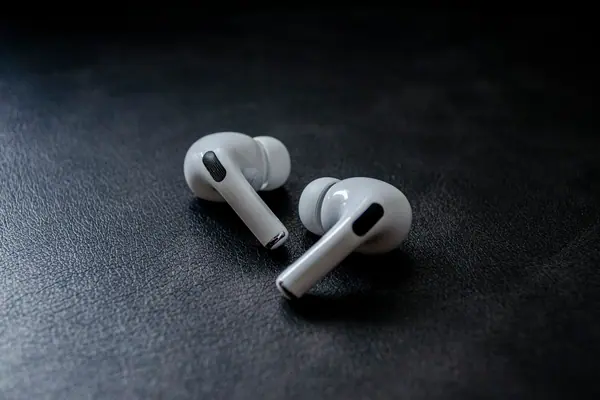
AirPods Pro 3 are the logical starting point when your daily routine revolves around a supported iPhone and other Apple devices. Apple’s published specifications include active noise cancellation, Transparency mode, USB-C case charging, and up to eight hours of listening with ANC under its test conditions. Those are manufacturer figures, not a runtime measurement from TechGearPilot. Apple specifications.
The reason to consider this model is workflow. Someone listening on an iPhone during a commute and using a Mac at a desk may get more value from integrated controls and device behavior than from an extra codec name. Our AirPods Pro 3 versus Sony WF-1000XM5 comparison explains that distinction in more detail.
Pros: a clear fit for an Apple-centered setup; an enclosed charging case; selectable noise modes for different surroundings. Cons: paying for ecosystem features makes less sense with Android; fit remains individual; premium pricing can be difficult to justify for occasional listening.
Best for: an iPhone owner who uses earbuds most days and wants their phone, laptop, and audio accessories to work together. Skip it if: you mainly use Android, want an open-ear design, or would rarely use the features above a basic Bluetooth connection. Do not buy primarily for a health feature without checking Apple’s eligibility and software requirements separately.
Sony WF-1000XM5: consider the older premium route carefully
The WF-1000XM5 offers multipoint connections and support for SBC, AAC, LDAC, and LC3. Sony lists up to eight hours of music playback with noise cancellation enabled. Its IPX4 rating is splash resistance, not permission to submerge the earbuds. Sony specifications.
Its place here is conditional: it can be worth considering when it costs meaningfully less than newer premium alternatives and the seller supplies a sound return and warranty arrangement. Sony now has WF-1000XM6 documentation, so the XM5 should not be bought on the assumption that it is the current generation.
Pros: useful mixed-device capabilities; several supported audio formats; noise-control options in an established premium product family. Cons: an older product needs more scrutiny around battery condition and seller history; not every phone can use every codec; a small discount may leave too little reason to choose it over a newer model.
Best for: an Android-and-laptop user who has checked device compatibility and found an attractive price from a reputable seller. Skip it if: the listing is vague about condition, the price is close to the newer model, or you dislike an isolating in-ear fit. The full WF-1000XM5 evaluation covers those purchase checks.
soundcore Liberty 4 NC: for feature-focused value
The Liberty 4 NC is a useful candidate when you want noise cancellation, multipoint, and adjustable EQ without making the newest premium model your default. soundcore also lists LDAC support and IPX4 resistance. Its headline 10/50-hour playtime claim must not be treated as an ANC-on comparison with the figures above; enabled features and operating conditions matter. Liberty 4 NC product information.
The buying logic is straightforward: preserve budget when your needs are commuting podcasts, background music, and occasional calls. Having the option to tailor sound may be more useful than paying extra for features you will never open. It does not establish that this model sounds better than another, and we have not measured its noise reduction.
Pros: a broad everyday feature set; app-based adjustment; multipoint for compatible devices. Cons: customization adds setup work; water resistance is limited; advertised noise-reduction percentages are not a standardized ranking across brands.
Best for: someone replacing basic earbuds who wants practical features while keeping total cost controlled. Skip it if: you require verified workplace microphone performance, dislike managing an app, or already own comfortable earbuds that meet your needs. A lower purchase price is still wasted money if the fit is wrong.
The specifications that change a purchase
Start with connection behavior. Ordinary Bluetooth pairing, two-device multipoint, and automatic switching within an ecosystem are different capabilities. Ask which two devices you actually need connected. A work laptop may also have administrative restrictions that affect companion apps or microphone settings.
Next compare battery figures under similar conditions. Listening time per charge answers whether the earbuds survive a long session. Total case time answers how often you reach for a cable. Calls, noise modes, volume, and other features can change consumption. Leave a margin above your longest routine rather than planning around the advertised maximum.
Finally, check replacement tips, charging arrangements, and case size. An excellent feature list does not help if you leave a bulky case at home or cannot replace worn tips. For a shared travel charger, our USB-C charger guide explains how to cover small accessories alongside a phone or laptop without buying one power brick for each device.
How to spend less without buying twice
If your budget is tight, prioritize a secure fit and a usable return policy. For quiet indoor listening, you may have little reason to pay extra for elaborate noise controls. If calls are essential to your income, redirect some budget toward a dedicated headset rather than assuming expensive earbuds will replace one.
With a larger budget, buy relief from a problem you experience frequently. A daily rail commute may justify premium noise features; occasional weekend listening may not. Older premium models deserve a fresh comparison against newer midrange products. Evaluate the final delivered price, authorized seller status, included accessories, and return conditions together.
During the return window, conduct your own practical check: wear the earbuds through a normal task, speak on a call, change volume without looking, and walk between the rooms where you use them. These are purchase checks for you to perform, not results we claim to have collected.
Questions worth settling before checkout
Can earbuds replace a work headset?
Sometimes, but make that decision using the actual conferencing software and a recording of your voice. Laptop microphone selection and room noise can change the result. If calls are the main job, a dedicated boom-microphone headset may be the more sensible category.
Is ANC the same as hearing protection?
No general ANC claim should be treated as a workplace hearing-protection rating. Noise reduction for listening comfort is a different purchase criterion. Follow applicable equipment guidance for your environment and check any specific health or safety feature with its manufacturer.
Should I upgrade a comfortable, working pair?
Only when the new model addresses something that matters: battery decline, missing connection features, uncomfortable fit, or a recurring noise problem. A newer Bluetooth number by itself is a weak reason to replace earbuds that already work well.
Make the final choice around your routine
Start with AirPods Pro 3 for an Apple-centered routine, investigate the WF-1000XM5 only as a well-priced older premium option, and consider Liberty 4 NC when everyday features matter more than buying the latest model. Then let fit and your actual devices decide. For the practical checks that turn a shortlist into a purchase, continue with our earbud selection walkthrough.
Reader questions
Are expensive earbuds always better for calls?
No. A microphone specification cannot predict how your voice will sound in your office or outside. Evaluate a recorded call with your own phone during the return period.
Should iPhone users pay extra for LDAC?
LDAC should not drive an iPhone purchase. Choose for fit, controls, noise features, and the capabilities your actual source device supports.
Is Sony WF-1000XM5 the latest Sony model?
No. Sony publishes WF-1000XM6 documentation. The XM5 appears here as an older premium option whose value depends on current price, condition, and support.
Explore the options discussed
Check the exact model, compatibility and current availability with the manufacturer before purchasing.
Apple AirPods Pro 3
An iPhone-centered everyday routine
View Product DetailsSony WF-1000XM5
An older premium option at a meaningful price advantage
View Product Detailssoundcore Liberty 4 NC
Feature-focused everyday value
View Product DetailsSources & further reading
Product information checked September 18, 2026. Specifications and availability can change.